

Rosalind Nashashibi: Stones
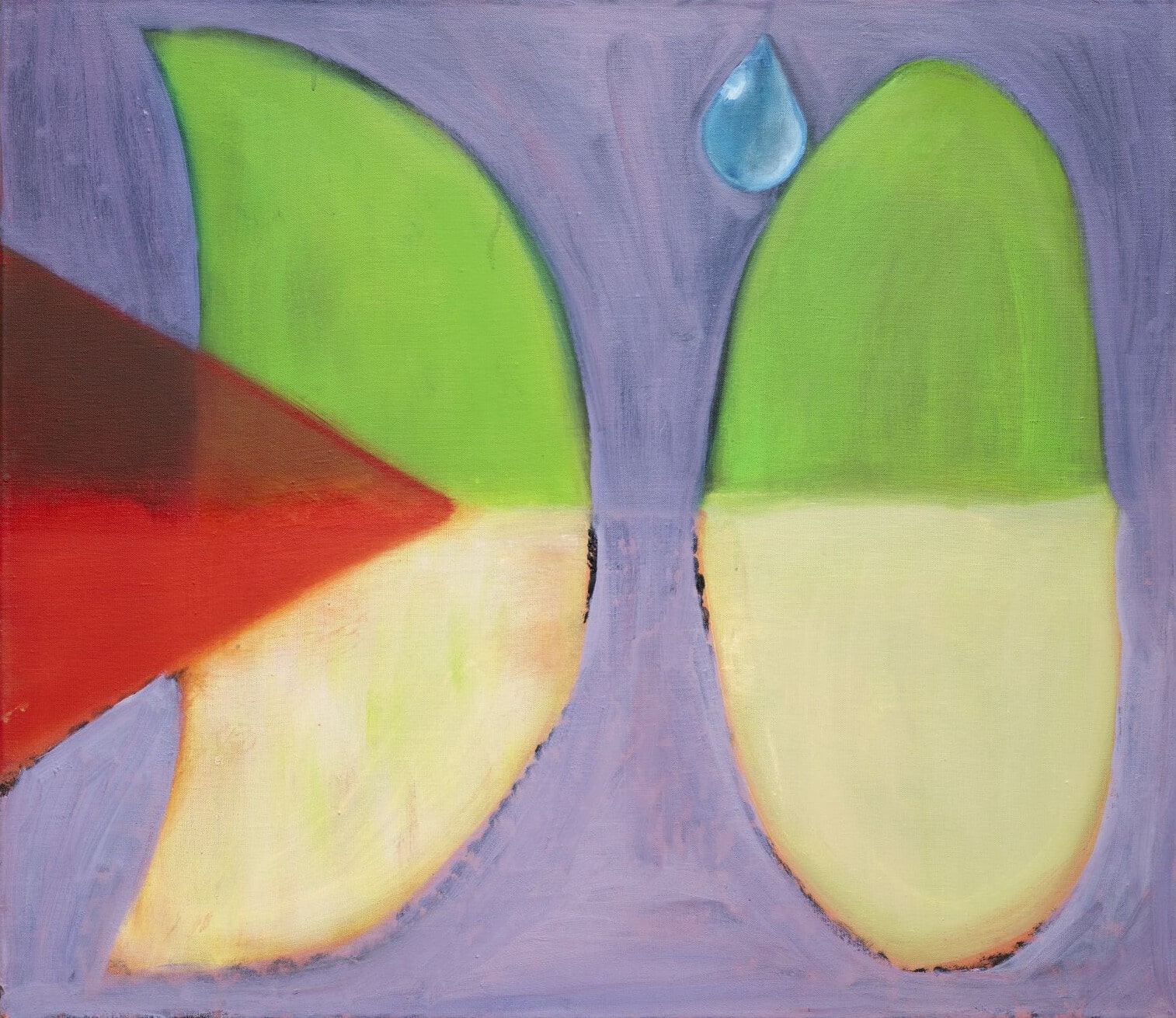
Rosalind Nashashibi creates films and paintings that cloak everyday observations in mythology. From a personal perspective, the Palestinian British artist explores collective histories, power structures and ways of living together. Her recent paintings contain visual references to art history but also allude to the lived reality of the Palestinian people. The heart of the exhibition is Electrical Gaza (2015), which Nashashibi shot in the Gaza strip in 2014.
Stones have many different meanings for Palestinians. As the materials from which roads, houses and buildings are made, they symbolise durability, resilience, protection and comfort. But they also represent defiance and uprising. From throwing stones in resistance or remaining on the land like stones through time, to stones that rain down on people and bury them.
Rosalind Nashashibi (1973, UK) lives and works in London. She was nominated for the Turner Prize in 2017. Her works are in the collections of museums including Tate, the Art Institute of Chicago, the Museum of Modern Art and the Metropolitan Museum of Art in New York. Stones is her first solo museum exhibition in the Netherlands.